Chinese birth tourism in the Northern Mariana Islands has become a flashpoint in a widening debate over U.S. territorial immigration rules and citizenship.
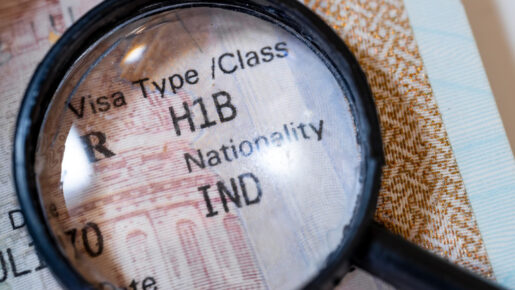
In a letter dated April 22, 2026, a group of Republican senators, including John Cornyn of Texas and Rick Scott of Florida, expressed their concerns to Department of Homeland Security Secretary Markwayne Mullin and Interior Secretary Doug Burgum. They were alarmed by a visa policy that permits citizens of the People’s Republic of China to travel to the Northern Mariana Islands for short stays without a traditional visa.
The senators cautioned that this policy could pose national security risks and facilitate the exploitation of visa loopholes, including practices such as birth tourism.
NEW: Four GOP Senators, @BasedMikeLee, @JohnCornyn, @SenRickScott, & @BillCassidy, have penned a letter to DHS Secretary Mullin, urging him to close a Biden era “birth tourism” loophole that allows Chinese nationals to visit the Northern Mariana Islands for 14 days without a… pic.twitter.com/ye9Bpr6piQ
— Bill Melugin (@BillMelugin_) April 22, 2026
This letter came a few months after the New York Post reported that more than 70% of the newborns in Saipan, part of the Northern Mariana Islands, have Chinese birth tourist parents who utilize the territory’s 45-day visa-free visitation rules to guarantee that their children will have American citizenship.
The current visa-free entry policy is an amalgam of laws passed under Republican Presidents Gerald Ford and George W Bush, and policies under Democratic Presidents Barack Obama and Joe Biden.
The Covenant of the Northern Mariana Islands of 1975 established the commonwealth as being in “political union with the United States of America,” after a period as a trust territory following the United States’ capture of the Northern Mariana Islands from Imperial Japan in WWII.
The political and governmental relationship between the nations evolved and was substantially altered by the Consolidated Natural Resources Act of 2008. The law was signed by Bush and effectively implemented by Obama, establishing a special 45-day visa-waiver framework for Guam and the CNMI to support tourism and economic development.
Since at least the early 2010s, apparent birth tourism has been an issue in the American commonwealth.
In 2012, for example, data compiled by the Center for Immigration Studies indicated there were 1,004 total births in the Northern Mariana Islands, including 356 births to Chinese mothers—roughly one-third of all births that year.
Those policies have been the subject of scrutiny for years.
A 2013 report from the Center for Immigration Studies said Chinese women traveling as tourists were giving birth in numbers that, at the time, exceeded births among indigenous residents in the territory, describing a developing “birth tourism” industry supported by travel agencies and medical facilitators.
By 2017, reporting from The Wall Street Journal described Saipan as a destination for Chinese birth tourism, citing government data that showed births to Chinese mothers rising from single digits in 2009 to several hundred annually in the years that followed, as tourism from China expanded and local service industries developed to support visitors seeking U.S. citizenship for their children.
In 2024, the Biden administration established a subprogram under the Guam-CNMI visa waiver framework known as the CNMI Economic Vitality and Security Travel Authorization Program, which allows certain Chinese nationals to travel to the Northern Mariana Islands without a traditional visa for short stays of up to 14 days. The policy expanded an existing visa waiver system that applies only to the islands and not the U.S. mainland.
While Saipan has become a focal point for overseas birth tourism, a similar phenomenon has occurred in the mainland United States.
Roughly 9% of U.S. births in 2023 were to mothers who were either in the country illegally or held temporary legal status. This category included some foreign nationals participating in birth tourism, according to Pew Data reported by The Dallas Express.
Solicitor General John Sauer recently told the United States Supreme Court, during oral arguments on the interpretation of constitutional provisions establishing birthright citizenship, that no fewer than 500 companies have marketed U.S. birth packages to foreign clients, coaching pregnant women on how to secure visas and conceal their intent to give birth on American soil, The Dallas Express previously reported.
The Northern Mariana Islands’ birth tourism industry has faced criticism and allegations that the domestic industry depends on it.
Birth tourism imposes costs on U.S. taxpayers and national security risks, critics say. White House spokeswoman Anna Kelly reportedly said in April 2026 that “Uninhibited birth tourism poses a tremendous cost to taxpayers and threatens our national security.”
Cornyn’s letter even alleged that allowing birth tourism even “provides a wide avenue for Communist China to press their advantage [in the Pacific].”
However, the island’s economy is 72% tourism, and locals have called Chinese birth tourism “an important economic stimulator,” according to another New York Post report. Visiting mothers reportedly pay cash for hospital deliveries — often an extra $10,000 — without discounts given to U.S. citizens, helping sustain the only hospital in Saipan.
For the Northern Mariana Islands, where tourism remains a central part of the economy, officials and lawmakers continue to balance economic reliance on visa-waiver travel with ongoing concerns about security, immigration enforcement, and the long-term implications of birth tourism.