A senior Justice Department official pointed the public to a federal worker complaint office after an online post highlighted a public university’s H-1B notice for a communications role.
A senior official with the U.S. Department of Justice signaled interest in public input on April 30 after a labor condition application notice from the University of Missouri circulated online, renewing debate over how public institutions use the H-1B visa program.
DOJ Official Responds To Online Scrutiny
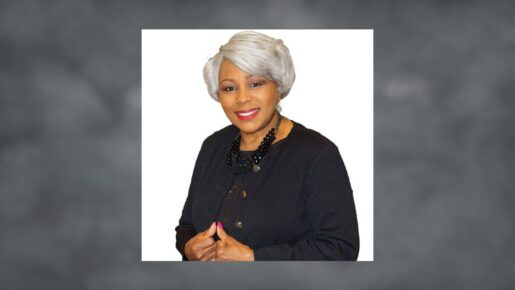
On April 30, 2026, Jesus A. Osete, principal deputy assistant attorney general in the department’s Civil Rights Division, wrote, “We want to hear from you,” linking to the Justice Department’s Immigrant and Employee Rights Section.
We want to hear from you. https://t.co/Ie07uxaRUO https://t.co/tTwfsFsyI6
— Jesus A. Osete (@JesusOseteDOJ) April 30, 2026
The post quoted another user who claimed the university’s notice for a “Senior Strategic Communications Associate” role paying $64,000 indicated that “Nobody in America was qualified for this job.” The Dallas Express independently verified the authenticity of the LCA notice tied to that position.
A university spokesperson, Christopher Ave, told local broadcaster, ABC 17 News, that the university is looking into the matter.
“The university attempts to hire U.S. citizens and permanent residents through competitive recruiting processes. On occasion, the university hires highly qualified individuals that require an H-1B visa,” Ave reportedly said. “The university follows the federal rules and regulations in petitioning for these visas, including making the required postings.
On the rare occasions that we request these visas, they are for highly specialized positions for which a doctorate or master’s degree is required. For these positions, we exhaust our efforts to hire a qualified U.S. individual. After we file the petition, the federal government will determine if the application is accepted.”
The Justice Department’s Immigrant and Employee Rights Section (IER) enforces the anti-discrimination provision of the Immigration and Nationality Act, which prohibits citizenship status and national origin discrimination, unfair documentary practices in employment verification, and retaliation, according to the agency website.
The agency encourages workers who believe they have faced such discrimination to file complaints through its hotline or website.
What The H-1B Notice Means
However, federal law does not generally require U.S. employers to first recruit or hire American workers before seeking foreign labor through the H-1B visa program.
Such requirements apply only in limited circumstances, including for employers designated as “H-1B dependent” — meaning they employ a high proportion of H-1B workers — or those previously found to have violated program rules. In those cases, additional attestations regarding recruitment of U.S. workers may be required.
For most employers, the LCA process instead focuses on wage and working condition attestations, requiring companies to certify that hiring a foreign worker will not adversely affect similarly employed U.S. workers. It does not necessarily mean the alien worker had been hired.
Broader Scrutiny Of H-1B Hiring
The renewed attention comes amid broader scrutiny of H-1B use by public institutions.
Assistant Attorney General Harmeet Dhillon recently announced a federal case against Cloudera for allegedly creating a sham hiring process that blocked American workers from applying for jobs effectively reserved for alien workers, accusations the tech firm denies, The Dallas Express reported.
Texas Public Institutions Face Similar Questions
Public universities and school systems in Texas have also faced questions about spending and hiring practices tied to the program. One university spent more than $3.25 million on H-1B-related costs between 2020 and late 2025, including visa processing and sponsorship expenses, according to records previously obtained by The Dallas Express.
That spending raised concerns about whether taxpayer-funded institutions are prioritizing foreign labor over domestic workforce development, according to the report.
Similarly, Dallas ISD paid approximately $2.54 million to outside attorneys for H-1B visa processing and related services over five years, based on district records obtained by The Dallas Express.
The records tied the expenditures to hundreds of visa-related transactions, including roles ranging from teachers to administrative staff.
Critics of the H-1B program argue employers can use it to fill positions that American workers could otherwise staff, potentially affecting wages. Supporters, including academic organizations, have said the program helps institutions recruit specialized talent and fill shortages in critical fields.
The Justice Department has not publicly alleged wrongdoing by the University of Missouri in connection with the LCA notice. Osete’s post did not specify any investigation but invited individuals to report potential discrimination or violations through official channels.