

The Broken Arrow Planning Commission in Oklahoma has voted to approve rezoning for a proposed 38,000-square-foot Islamic religious center, despite vocal opposition from residents who raised concerns about cultural integration, economic impacts, and infrastructure.
The 15-acre property, located just south of the Creek Turnpike along Olive Avenue in Broken Arrow — a suburb of Tulsa — has been owned by the North American Islamic Trust since 2014.
The Islamic Society of Tulsa (ISOT) plans to rezone the land, which is currently used primarily for agriculture, to commercial-general.
The proposal includes the construction of a mosque, beginning with a prayer hall and later expanding to include classrooms, a women’s prayer area, and a gym, totaling approximately 38,000 square feet and accommodating up to 700 parking spaces.
Future phases could also include retail development, according to project materials.
ISOT representatives describe funding as entirely private and drawn from community donations, with organizers stating that no taxpayer dollars would be used.
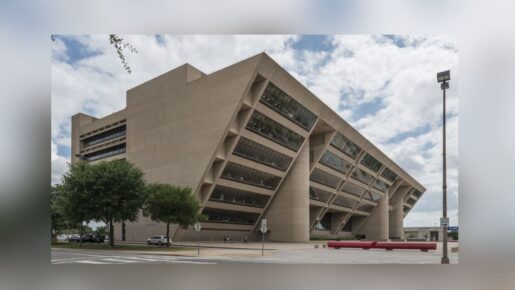
The meeting at Broken Arrow City Hall drew a packed audience, with more than 70 speakers participating in over four hours of public comment.
While a handful spoke in favor of the project, the majority — reflected in 144 opposition emails and dozens of phone calls to the city, according to the BA Sentinel — raised concerns about the project’s compatibility with the surrounding area.
Opponents, including many residents who filled the standing-room-only meeting — a turnout rarely seen at planning commission hearings — were quick to voice concerns about what they described as an imposition on the community. Some pointed to practical issues, such as inadequate traffic infrastructure and potential floodplain problems near White Horse Creek.
Cultural concerns were also a prominent theme, with some speakers warning of broader societal changes and comparing the proposal to growth patterns in communities such as Dearborn, Michigan.
Resident Sean Murray expressed concerns about future generations, stating, “We don’t want that imposed on our kids. I have a daughter who’s fifteen years old, and I don’t want this ideology imposed on her.”
Supporters of the proposal framed the project as an expansion of religious liberty and community diversity.
Phil Armstrong, president of the Oklahoma Center for Community Justice, described the project as a symbol of inclusion, stating, “Approving this project says Broken Arrow is a city where diversity is not something to overcome, but to embrace.”
Despite public comments strongly opposed to the request, the commission approved the rezoning request by a 4–1 vote and granted the conditional use permit for a place of assembly by a 3–2 vote.
The proposal now moves to the Broken Arrow City Council, with a review slated for early January, potentially as soon as January 6.
If greenlit, additional studies on traffic and construction plans will be required before shovels officially hit the ground.