The Ross Fire was declared 100% contained Wednesday, September 16, after burning for 23 days across Palo Pinto and Jack counties. Officials estimated the fire at 90,400 acres at its height; the final mapped size was 89,989 acres.
The wildfire began the afternoon of August 24 near Ross in Palo Pinto County and spread through dry grass, brush, and timber. Containment means crews secured the perimeter. Heat can still linger in downed timber and root systems after a fire is 100% contained. Some outlets described the fire as extinguished once suppression wrapped up.
The fire destroyed 157 structures, including 18 occupied residences, and damaged another 140. Firefighters saved 453 structures during the response.
No civilians were killed, and officials said no civilians suffered serious injuries.
Ross Fire Among Largest In Texas History
The Ross Fire grew to roughly 50,000 acres by August 25 before reaching its estimated peak of 90,400 acres.
According to the Texas A&M Forest Service, it was the largest summer wildfire in Texas since detailed statewide records began in 2005 and the second-largest wildfire in North Texas history. The 126,734-acre Possum Kingdom Complex Fire in 2011 remains the largest in the region.
More than 500 firefighters and over 100 emergency vehicles, including bulldozers and water tenders, were involved in the response at its peak.
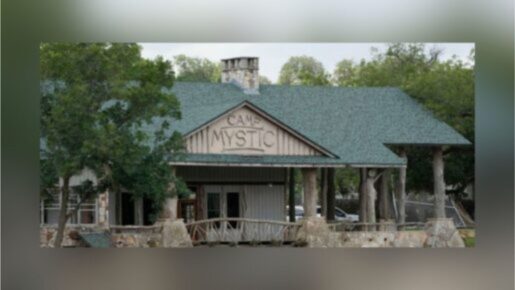
The wildfire caused significant damage to Worth Ranch, an approximately 800-acre Scouting America camp situated along the Brazos River. Several structures on the property were heavily damaged, but no campers, scouts, or other guests were present when the fire reached the area.
Firefighters Shift to Recovery
With the fire contained, the Texas A&M Forest Service is turning attention toward helping local departments recover resources used during the lengthy response.
On Wednesday, the agency awarded nearly $5 million to 118 volunteer fire departments that assisted with the Ross Fire. The funding will help departments replenish resources, service fire trucks, and cover fuel costs associated with the response.
“That helps make sure that those volunteers that came out and worked with us day in and day out can make sure that their trucks are serviced, can pay for the fuel they put into it,” said Adam Turner with the Texas A&M Forest Service, CBS News reported.
The funding is separate from the fire’s overall damage costs.
No Civilian Deaths or Serious Injuries Reported
The Ross Fire left a large burn scar across North Texas, with burned trees, structures and ranchland remaining after the flames were contained.
Turner said the scale and duration of the fire made the response particularly demanding. He said August was the busiest month for fire response in Texas since 2005.
Despite the property damage and livestock losses, Turner pointed to the absence of civilian deaths and serious injuries as an important measure of the response.
“Being able to say that we didn’t lose any lives or didn’t have any injuries to civilians is nothing short of a great success on our part,” Turner said.
Wildfire Risk Remains
The end of the Ross Fire does not mean the region’s wildfire season is over.
Texas A&M Forest Service crews continue responding to new fires and flare-ups across North Texas. Turner said the region could remain active through the end of September and into early October.
“This is when we tend to see our most active fires here in North Texas,” Turner said, per CBS.
Fire activity typically begins to decrease toward the end of September and into early October if the region receives enough moisture. For now, dry vegetation and continued periods of limited rainfall are keeping wildfire conditions a concern across North Texas.
Eight wildfires are actively burning across the state, primarily in the North Central and Southwest regions, according to the Texas A&M Forest Service Incident Viewer.