Texas lawmakers began filing property tax legislation this week for the 2027 session, including a North Texas proposal to cut the annual homestead appraisal cap from 10% to 3%. The measure could slow increases in home appraisals, but it would neither guarantee lower tax bills nor raise the general school property tax exemption to $200,000.
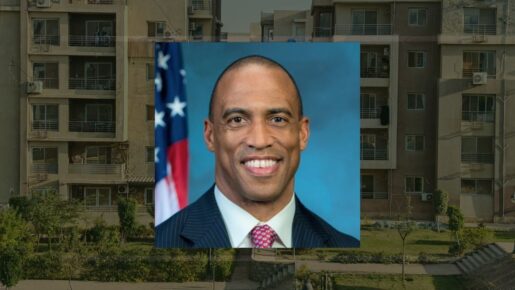
State Rep. Jared Patterson (R-District 106) introduced House Bill 563 on November 9. Patterson, who represents portions of Denton County, proposes changing the formula that appraisal districts use to limit annual increases in the appraised value of a qualifying residence homestead.
The bill would take effect January 1, 2028, if lawmakers enact it and Texas voters approve a constitutional amendment authorizing the lower limit. Until then, the existing 10% cap remains in place. The official legislative record lists Senate Bill 298 as an identical companion and House Joint Resolution 38 as the enabling constitutional amendment.
What A 3% Cap Would Mean For Homeowners
Consider a homeowner whose qualifying residence had an appraised value of $400,000 the previous year. If the appraisal district determines the home’s market value has risen to $450,000 and the owner adds no new improvements, the existing cap would allow an appraised value of up to $440,000. Patterson’s proposal would limit that figure to $412,000.
The $28,000 difference could reduce the amount of home value that local governments tax. The bill retains the market-value ceiling and accounts for new improvements. It does not prevent market values from rising or limit the amount of tax that local governments can collect.
Local taxing entities set their own tax rates, and applicable exemptions reduce the value they tax. A lower appraisal cap could slow increases in a homeowner’s tax bill, but changes in tax rates can offset that benefit.
The $200,000 Question
Texas currently requires school districts to exempt $140,000 of a qualifying primary residence’s value. Homeowners age 65 or older or with qualifying disabilities receive an additional $60,000 state exemption, bringing their combined mandatory school exemption to $200,000.
Increasing the general exemption to $200,000 would remove another $60,000 from the value subject to school taxes for homeowners who can use the full exemption. That policy option addresses a different part of the tax calculation from the appraisal cap, as The Dallas Express previously examined.
Dallas ISD lists a 2026 tax rate of $0.985735 per $100 of taxable value, including its operating and debt-service rates. At that rate, an additional $60,000 exemption could save a qualifying homeowner approximately $591 annually in school taxes if the homeowner can use the entire additional exemption and the rate remains unchanged.
Dallas ISD also offers a 10% optional homestead exemption. The illustrative $591 savings concerns only the proposed increase in the mandatory state exemption, not city, county, or other property taxes.
Relief And The Cost Of Delivering It
A September analysis from the office of state Sen. Paul Bettencourt (R-District 7) found that approximately 39.2% of Texas residence homesteads paid no school property taxes following earlier exemption increases. The office also found that 25% of general homesteads and 61% of senior and disabled homesteads owed no school property taxes.
A homeowner who already owes no school property taxes cannot receive another reduction in that bill through a larger exemption. For lawmakers, the fiscal challenge is to deliver additional relief while accounting for school funding and avoiding new costs elsewhere for taxpayers.
Patterson’s bill leaves the $140,000 general exemption unchanged.
When the Legislature convenes in January, homeowners will have two distinct benchmarks for judging property tax reform: how much lawmakers limit appraisal growth and how much of a primary residence they exempt from school taxes.