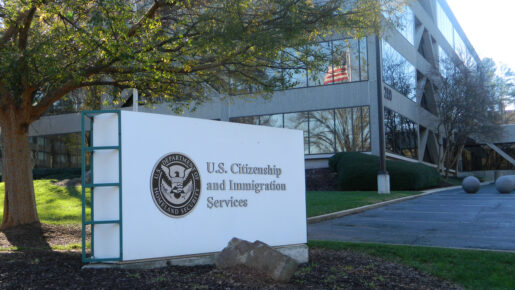


A newly obtained internal ICE memo has clarified the conditions under which immigration officers can enter private homes to carry out arrests.
The memo allegedly states that agents can rely on an administrative warrant to enter a home and arrest an illegal alien subject to a final order of removal even without a judge-issued warrant, per AP News.
In a letter from Senator Richard Blumenthal (D-Conn.) to Kristi Noem and Todd Lyons, dated January 21, 2026, the following was stated:
“I write today regarding a shocking anonymous whistleblower disclosure made to my office and enclosed with this letter detailing Immigration and Customs Enforcement’s (“ICE”) new, secret policy to ignore the Fourth Amendment of the United States Constitution and enter homes without a judicial warrant in order to effectuate civil immigration arrests.”
Blumenthal goes on:
“The Fourth Amendment is a bedrock principle of our Constitution and an integral privacy protection against unreasonable searches and seizures, especially in the most intimate of settings, the home. It should thus appall every American that the May 12, 2025 memorandum detailing this policy (the “Memo”) states that ‘ICE immigration officers may arrest and detain aliens subject to a final order of removal’ relying only on ‘the use of a Form I-205 to arrest an alien in their place of residence.’ 2 This new policy is based on a secret legal interpretation and is directly contrary to Fourth Amendment law and agency practice.”
The new guidance in the memo in question reportedly represents a departure from prior ICE practices and standards, which often required additional judicial authorization even for “administrative arrests” in the home of illegal aliens.
The change aligns with past immigration enforcement priorities set by the Trump administration, including Executive Order 14159 of January 2025, which directs federal agencies to prioritize the removal of illegal aliens who have received final deportation orders, particularly those deemed threats to public safety or national security.
The anonymous whistleblower disclosure dated January 7, 2026, and included exhibits from 2025 and 2021, has come into the spotlight in the period following the original expiration date of the Castañon Nava consent decree in the Northern District of Illinois. That 2022 agreement, recently extended by a federal judge until February 2, 2026, had previously required ICE to obtain judicial warrants or demonstrate probable cause for most arrests.
The policy to allow arrests without a direct judicial sign-off comes as the Trump team has increased deportation flights, increased arrests of illegal aliens, and deployed additional agents to high-priority areas like Minneapolis.
The recently released memo and accompanying exhibits offer some operational clarity for ICE agents conducting court-ordered removals in 2026. The future effectiveness of this guidance will depend on its implementation and on whether specific deportation cases reach the courts, which could lead to legal challenges or new restrictions.