

The 2026 FIFA World Cup is expected to draw millions of fans and generate billions in economic activity, but hotel operators in several U.S. host cities say tourism demand has not matched early projections ahead of the tournament.
In Texas, where Houston and the Dallas-Arlington area will host a combined 16 matches in June and July, hotel bookings have remained softer than many in the hospitality industry had anticipated.
A recent survey from the American Hotel & Lodging Association found that nearly 80% of hotels surveyed across the 11 U.S. host cities reported bookings tracking below original forecasts. In Dallas and Houston, about 70% of respondents said booking activity was largely in line with a typical summer season rather than showing a major World Cup surge.
FIFA has projected significant economic benefits from the tournament, estimating it will generate $30.5 billion across the United States, Mexico, and Canada, including roughly $3.5 billion in Texas alone. The organization also expects the event to reach six billion viewers globally during its 39-day run.
Still, concerns about international travel, rising costs, and geopolitical tensions have contributed to uncertainty surrounding attendance.
“There certainly are not only economic headwinds but certainly … sentiments toward the U.S. by some countries out there internationally, it’s potentially an issue in terms of people being able and willing to travel to the United States for these matches,” said Brent DeRaad, president and CEO of the Arlington Convention & Visitors Bureau, per The Texas Tribune
AT&T Stadium in Arlington is scheduled to host nine matches, while Houston’s NRG Stadium will host seven. Local officials said ticket sales remain strong and expect matches to sell out, though much of that demand may be coming from domestic travelers rather than international visitors.
Industry groups and analysts pointed to several reasons for the slower hotel demand, including expensive tickets, lengthy visa wait times, and broader travel concerns.
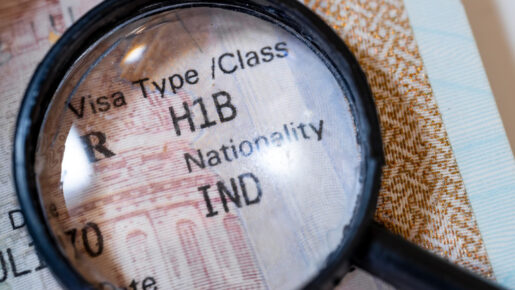
The American Hotel & Lodging Association said international travel barriers — including visa processing delays, increased visa fees, and uncertainty surrounding entry into the United States — have contributed to lower-than-expected overseas travel.
Hotels in some cities also faced disruptions after FIFA canceled large hotel room blocks in Dallas, Arlington, and other host markets earlier this year. The association said the cancellations revealed “softer underlying traveler demand,” per the Tribune.
According to the report, roughly 70% of FIFA’s group hotel blocks nationwide have been released.
“Hotels across host markets have spent years preparing for the World Cup, and while there is real excitement, the data points to a more nuanced outlook,” AHLA President and CEO Rosanna Maietta said in a statement, the Tribune reported.
High costs tied to attending matches have also become a concern for fans. Ticket prices for the 2026 tournament are significantly higher than those for previous World Cups in Qatar and Russia. Some matches have tickets exceeding $1,000, while seats for the championship match at MetLife Stadium in New Jersey have reached nearly $33,000.
Transportation and lodging costs have also risen sharply in some markets. Near MetLife Stadium, some hotels increased nightly rates several times above standard pricing ahead of the tournament.
Ronan Evain, executive director of Football Supporters Europe, said many experienced fans are likely waiting for prices to decline before booking trips.
“Fans that are used to traveling for tournaments know that this price will always go down,” Evain said, the Associated Press reported. “There are many examples of hotel owners regretting that they priced too high and then panicking at the last minute and reducing prices.”
At the same time, short-term rental platforms appear to be seeing stronger demand than traditional hotels in some regions. Houston First Corporation reported short-term rental bookings in the Houston area are up 53% for June and July compared with the same period last year.
Houston officials remain optimistic that the city will still experience a meaningful tourism boost during the tournament.
“We expect that World Cup will help deliver a better than normal June and early July in the Houston hotel market,” Houston First Corporation President and CEO Michael Heckman said in a statement, per the Tribune. “Bookings are up year over year and we anticipate they will continue to climb as we get closer to the tournament.”
Houston First said hotel booking pace in the city is up 17% in June and 14% in July compared with last year, while international air bookings through the city’s airports are up 33% in June.
Economists and tourism analysts, however, cautioned that projections tied to global sporting events are often overly optimistic.
Bob Heere, a sports management professor at the University of North Texas, said local spending by residents attending matches should not be counted as new economic activity.
“Any good economic impact study does not include locals because, indeed, they are, regardless, spending their money here,” Heere said, the Tribune reported.
Andrew Zimbalist, an economics professor at Smith College, said large sporting events frequently discourage other travelers because of expected congestion, security concerns, and inflated prices.
“The general problem is that soccer tourists — and expected congestion, high prices and security concerns — push away normal business travel and tourism,” Zimbalist said, per AP.
Some tourism officials nonetheless believe demand could rise closer to kickoff as more fans finalize travel plans. Data from the travel search engine KAYAK shows that interest in World Cup-related travel is strong, even if that interest has been slow to translate into bookings. Flight searches for Dallas are up 64% compared to last year, and up 24% for all host cities combined. Hotel searches for all host cities have risen by 40%, Fox 4 KDFW reported.
More than five million tickets have already been sold for the tournament, according to FIFA, with over six million expected to be available across all 104 matches.
Lisa Delpy Neirotti, director of the Sport Management Program at George Washington University, said international events like the World Cup still generate economic benefits even if they fall short of early forecasts.
“It does bring economic impact, but it may not bring the impact that the report said,” Delpy Neirotti said, according to Fortune. “You get all this hype, and then it kind of falls short. So then people are disappointed, but they still should be happy with it.”
KAYAK presents a World Cup Trends Dashboard that showcases real-time changes in travel demand and pricing for host cities, such as Dallas. This resource is ideal for those who want to monitor how World Cup travel costs evolve over time. Discover the most current information on flights, hotels, and the origins of fans traveling to matches across North America.