



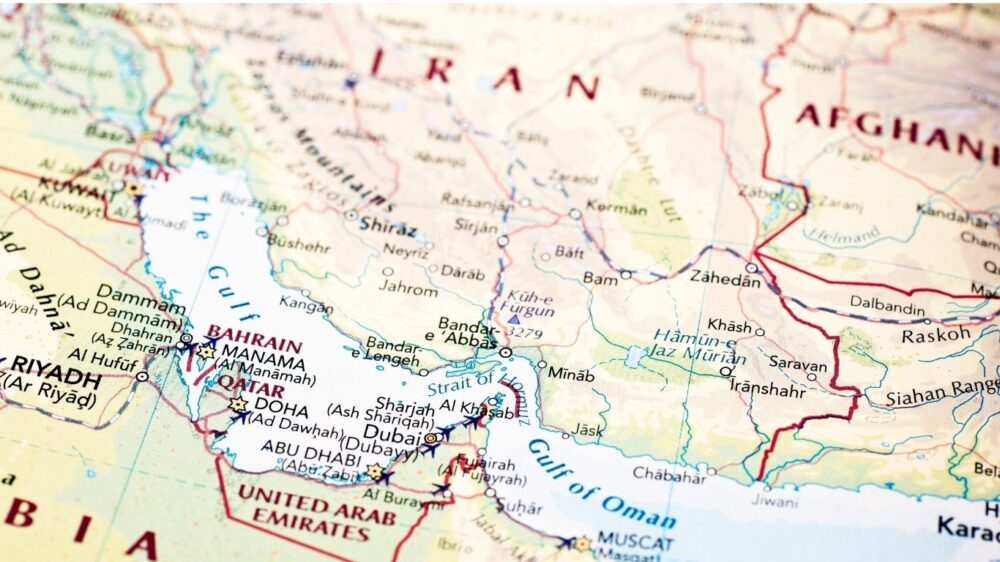
The International Energy Agency is releasing 400 million barrels from its strategic reserves — the biggest such move in the group’s history — to offset supply losses from the U.S.-Israeli conflict with Iran that has virtually shut down the Strait of Hormuz.
The 32-nation organization acted as fears grew over a prolonged blockade of the waterway, which normally carries about one-fifth of global oil supplies. Before the conflict, roughly 20 million barrels passed through the strait each day, but tanker traffic has now “all but stopped,” IEA Executive Director Faithe Birol said at a press conference on Wednesday, per ABC News.
“The conflict in the Middle East is having significant impacts on global oil and gas markets with major implications for energy security, energy affordability, and the global economy,” Birol added.
The release would replace the lost oil flow for roughly 20 days. IEA member countries held about 1.2 billion barrels in reserves before the latest action.
U.S. crude oil prices stood at about $86 a barrel on Wednesday, a 35% increase from a month earlier, though still below Monday’s peak of $119. The average price of a gallon of gasoline in the United States climbed to $3.57 from $2.97 a month earlier, AAA data showed.
Birol described the reserve release as a “major action.”
“But, to be clear, the most important thing for a return to stable flows of oil and gas is the resumption of transit through the Strait of Hormuz,” Birol added.
Iran’s Islamic Revolutionary Guard Corps has vowed to block all shipments. A spokesperson said any vessel linked to the United States, Israel, or their allies “will be considered a legitimate target” and warned: “You will not be able to artificially lower the price of oil. Expect oil at $200 per barrel,” Al Jazeera reported.
French President Emmanuel Macron is leading an international push to reopen the strait using naval escorts once fighting eases. Retired French naval officers, however, caution that the risks remain extreme.
“In today’s context, sending warships or civilian vessels into the Strait of Hormuz would be suicidal,” French Navy retired Vice Adm. Pascal Ausseur said, the Associated Press reported. A ceasefire agreement with Iran “would make the situation shift from suicidal to dangerous. At that point, military ships could be deployed. And then escort operations could begin,” he said.
President Donald Trump has sent mixed signals on the crisis. He previously indicated the conflict may soon be over and on Wednesday encouraged ships to keep using the strait, saying, “I think they should.”
Earlier, Trump threatened that Iran would “be hit by the United States of America TWENTY TIMES HARDER” if it impeded tanker traffic.
The U.S. military has begun examining ways to escort commercial ships through the passage if requested, Gen. Dan Caine, chairman of the Joint Chiefs of Staff, said on Tuesday.
On Wednesday, three ships were hit by projectiles in the strait, maritime security firms reported. Analysts have warned prices could climb to $150 a barrel or higher, while Saudi Aramco cautioned of “catastrophic consequences” unless tanker traffic resumes.