A possible U.S. war with Venezuela looms as Secretary of State Marco Rubio’s long record of urging military action toward Venezuela reemerges.
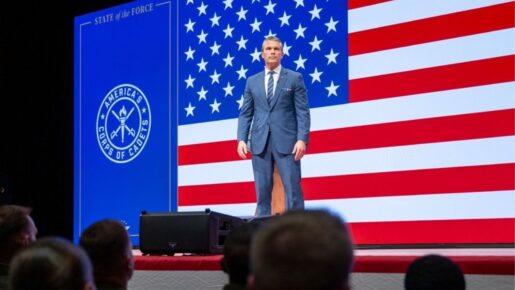
President Donald Trump is set to meet Monday afternoon with Rubio, Defense Secretary Pete Hegseth, and senior aides to determine next steps in the administration’s escalating pressure campaign against Venezuelan President Nicolás Maduro, a senior military official and two people familiar with the matter reportedly told CBS.
The meeting comes as U.S. military activity in the region intensifies and the administration increases economic and diplomatic pressure on Caracas. Some lawmakers have raised concerns about a potential land conflict in the South American nation, particularly as calls for intervention from prominent Florida lawmakers mount.
Representative Maria Elvira Salazar recently said the United States is “about to go all in” amid rising fears of conflict. Earlier this year, widespread concerns that the United States was on the brink of war with Iran did not materialize, although there was an American airstrike on Iran’s nuclear program.
Rubio has been closely associated with interventionist foreign policies for more than a decade.
In 2011, he supported the NATO-led air campaign to oust Libyan leader Muammar Gaddafi. In 2015, he was widely reported to back a No-Fly Zone in Syria, a move that, if enforced, would have constituted a direct confrontation with Russia, Syria, or any other nation that violated it.
His stance toward Venezuela has been similarly forceful.
In a 2018 interview with Miami’s Univisión 23, then-Senator Rubio said the United States should consider a military intervention in Venezuela, arguing that the Maduro government had become a regional threat.
“For months and years, I wanted the solution in Venezuela to be a non-military and peaceful solution, simply to restore democracy,” he said in the interview, according to reporting published in September 2018. “I believe that the Armed Forces of the United States are only used in the event of a threat to national security. I believe that there is a very strong argument that can be made at this time that Venezuela and the Maduro regime has become a threat to the region and even to the United States.”
Rubio has for years warned that the Venezuelan government, which American officials have accused of drug trafficking operations, terrorism ties, and harboring groups such as Hezbollah, poses a growing danger. Maduro and his allies have denied those allegations.
Pressure has increased sharply since November, when the State Department designated the Venezuela-based cartel de los Soles as a foreign terrorist organization. The U.S. Treasury Department claimed in July that the group provided “material support” for other designated terrorist organizations, allegations Venezuelan Foreign Minister Yvan Pinto Gil rejects as a “ridiculous fabrication.” He reportedly said the designation was being used to “justify an illegitimate and illegal intervention against Venezuela,” according to a statement reportedly posted to Telegram.
At the same time, the United States has carried out at least 21 lethal strikes on suspected drug trafficking vessels in the Caribbean and eastern Pacific since early September, per Newsweek. At least 83 people have reportedly been killed. The legality of the operations has been questioned by former and current officials on both sides of the aisle in Washington, DC.
U.S. military presence in the region has grown significantly, including the recent arrival of the country’s largest aircraft carrier and additional warships, as well as stealth aircraft and personnel. The administration has also authorized covert operations in Venezuela, according to reporting published in October.
These actions come after several Republican and Democratic presidential administrations have sought to punish the Maduro regime or remove the leader from power.