Federal authorities executed a search warrant at the home of a Washington Post reporter this week as part of a national security investigation into classified Pentagon materials allegedly taken by a government contractor, marking a rare escalation in classified-information enforcement involving a major U.S. news organization.
Attorney General Pamela Bondi confirmed Wednesday that the Federal Bureau of Investigation carried out the search at the request of the Department of War, with support from the Department of Justice. Bondi said the action followed an investigation into the illegal retention and reporting of classified information tied to a Pentagon contractor now in federal custody.
This past week, at the request of the Department of War, the Department of Justice and FBI executed a search warrant at the home of a Washington Post journalist who was obtaining and reporting classified and illegally leaked information from a Pentagon contractor. The leaker is…
— Attorney General Pamela Bondi (@AGPamBondi) January 14, 2026
“This past week, at the request of the Department of War, the Department of Justice and FBI executed a search warrant at the home of a Washington Post journalist who was obtaining and reporting classified and illegally leaked information from a Pentagon contractor,” Bondi wrote on X. “The Trump Administration will not tolerate illegal leaks of classified information that, when reported, pose a grave risk to our Nation’s national security and the brave men and women who are serving our country.”
Devices Seized, Reporter Not Charged
The search targeted Hannah Natanson, a Washington Post reporter who covers the federal workforce and the Trump administration’s restructuring of government. According to the newspaper, Natanson was at her Virginia home when agents arrived and seized her phone, two laptops—one personal and one work-issued—and a Garmin watch.
Federal investigators told Natanson she is not the focus of the investigation, and she has not been accused of any criminal wrongdoing.
Contractor Accused of Retaining Classified Materials
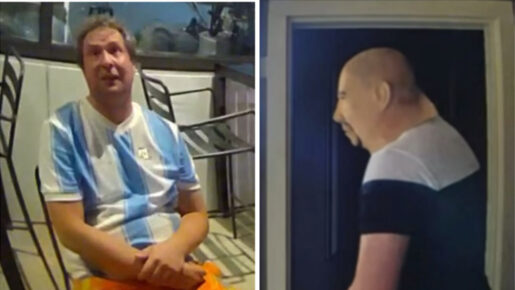
The search warrant stemmed from a federal case against Aurelio Perez-Lugones, a Maryland-based Pentagon contractor who has been charged via criminal complaint with unlawfully retaining national defense information.
According to court filings, Perez-Lugones accessed and removed classified intelligence materials that were later found in his home. The criminal complaint does not accuse him of leaking the information, though Attorney General Pamela Bondi has publicly characterized the case as involving illegally leaked classified material.
FBI Director Confirms Operation
FBI Director Kash Patel confirmed the search in a post on X, saying federal agents executed the warrant as part of an investigation into the handling of classified military information.
“This morning the FBI and partners executed a search warrant of an individual at the Washington Post who was found to allegedly be obtaining and reporting classified, sensitive military information from a government contractor—endangering our warfighters and compromising America’s national security,” Patel wrote. He added that the alleged leaker “was arrested this week and is in custody,” and said no further comment would be provided due to the ongoing investigation.
Washington Post Pushes Back
Washington Post Executive Editor Matt Murray told staff that the paper and Natanson are not targets of the investigation but described the search as “extraordinary” and “deeply concerning.”
“FBI agents showed up unannounced at the doorstep of our colleague Hannah Natanson, searched her home, and proceeded to seize her electronic devices,” Murray wrote in an internal memo. “This aggressive action raises profound questions around the constitutional protections for our work.”
The newspaper said it is reviewing the situation with legal counsel and remains committed to press freedoms.
Shift in Leak Enforcement Policy
The search comes months after Attorney General Pamela Bondi rescinded a Biden-era Justice Department policy that limited investigators’ ability to obtain reporters’ records during leak investigations. According to The Washington Post, Bondi said in an internal memo that media organizations should not receive special protections when reporting classified information, arguing that unauthorized disclosures are “illegal and wrong and must stop.”
Historically, the Justice Department has exercised restraint in taking direct investigative actions involving reporters, even in cases tied to classified information. Press freedom organizations criticized the FBI’s search, warning it could deter investigative reporting and raise First Amendment concerns.
Trump administration officials, however, have defended the action as a necessary measure to safeguard classified military information and protect U.S. service members, emphasizing that the underlying investigation involves national security, not routine political reporting.
The investigation remains ongoing.