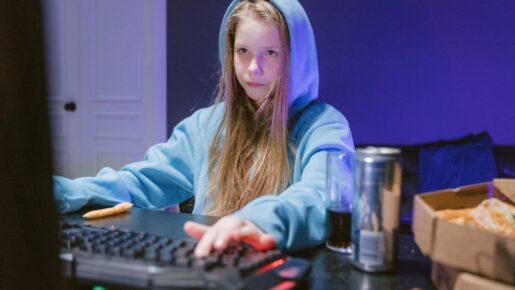


Australia has become the first country to implement a nationwide ban on social media for children under 16.
The law took effect just after midnight on December 10, resulting in the closure of an estimated 1.2 million accounts within the first few hours.
Prime Minister Anthony Albanese celebrated the ban in a video he posted on Wednesday, explaining some of the government’s reasoning behind the decision:
Protecting kids. Backing parents.
Our social media ban for under-16s starts today. pic.twitter.com/4THxm0NdXV
— Anthony Albanese (@AlboMP) December 9, 2025
“Across Australia, those under 16 are starting their day a little differently,” Albanese said. “Without social media, it’s a big change, and we’re the first country in the world to give it a crack. But it really matters. We know being a parent today comes with a whole new set of challenges, algorithms, endless speeds, and pressures. No generation before has had to deal with. Today’s change is about supporting you to keep your children safe online, putting the responsibility of right where it belongs on the social media giants, not on parents.”
Australia’s Online Safety Amendment (Social Media Minimum Age) requires some of the world’s most popular social media platforms to take “reasonable steps” to prevent users under 16 from creating or keeping their accounts.
Companies that fail to comply could face penalties of up to A$49.5 million (about $33 million USD), as previously reported by The Dallas Express.
The rules apply to platforms such as Facebook, Instagram, TikTok, Snapchat, YouTube, X, Reddit, Twitch, and Kick.
Social Media giant Meta began deactivating accounts back on December 4, notifying their users who were “suspected” to be underage, and allegedly allowing them to download their data before losing access to their profiles. The company added that accounts can be reactivated once users turn 16.
While complying with the law, Meta has continued to argue that the policy cuts young people off from online communities and that strong parental controls would be a better solution than an outright ban.
“Experts, youth groups, and many parents agree that blanket bans are not the solution – they isolate teens from online communities and information, while providing inconsistent protection across the many apps they use,” Meta spokesperson Edward Patterson told The Verge.
Other platforms have taken similar steps to Meta.
TikTok said it would immediately shut down all accounts identified as belonging to users under 16. Snapchat will suspend underage accounts for three years or until the user turns 16. YouTube plans to sign underage users out of their accounts but will allow them to watch videos without logging in. Twitch is delaying full enforcement until January 9, but has already stopped allowing new underage sign-ups. Reddit and X also confirmed their compliance, but have not shared details about their processes as of press time.
Early reports suggest the system is not flawless in Australia, with some kids easily cracking the code to keep their profiles.
Some teens were allegedly able to bypass age checks, including facial recognition systems.
“Teens are already getting around the teen social media ban by scanning their parents’ faces or uploading their ID, after the government was warned that a third of parents were planning to help their kids dodge the minimum age,” journalist Cameron Wilson posted to X on December 3, before the full ban started.
Families adhering to the rules are already feeling the effects, with many parents saying their kids are clearly upset after losing access to social media apps that have become a centerpiece of their social lives.
In Melbourne, a quadriplegic teen expressed concern that the ban could worsen isolation for young people with disabilities who rely on online communication. Highlighted in a video report by The Guardian, the 15-year-old says the ban will only make him lonelier.
At 12, Ezra Sholl woke from a medically induced coma to learn he had Hodgkin’s lymphoma. Now 15 and living as a person with quadriplegia, he says social media has helped him feel connected rather than cut off, giving him a way to stay close to friends and meet others around the world who understand what he’s going through.
“I can’t go outside and play basketball with my mates, can’t play footy with them, and social media is one of the few ways I can still socialize with my friends,” Sholl said. “Sometimes there isn’t hope, but we always try to look for it, one of those little things was social media – being able to connect with not only my friends but random people all over the world who share similar interests.”
Despite concerns about the ban, polling by The Guardian shows strong public support, with roughly two-thirds of Australians in favor of the age restrictions.
Regardless of the differing opinions from parents – and their kids – Australia’s move is drawing global attention, with other countries watching closely as debates continue over online safety and privacy for children.
Whether the ban provides meaningful protection or pushes younger users toward less-regulated corners of the internet remains to be seen.