Federal investigators say overseas-linked fraud rings used stolen American identities to claim college aid, while new safeguards could affect legitimate applicants.
Federal investigators have identified 830,840 potentially fraudulent student aid IDs associated with nearly $130 million as the Justice Department pursues an alleged international scheme that used stolen Americans’ identities to obtain federal college assistance.
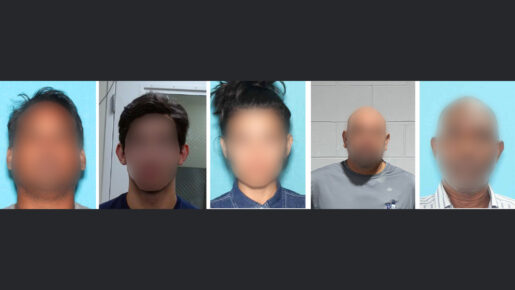
The department announced Operation Ghostbusters on October 29, unveiling charges against five defendants across Virginia, New Jersey, and Nebraska and a seizure of more than $750,000 in cryptocurrency connected to the suspected network. Prosecutors say individuals in Kenya worked with accomplices in the United States to collect aid refunds for people who never attended classes.
The government has not established that every flagged ID was fraudulent or that all $130 million reached criminals. The FBI separately reports more than $32 million in identified losses in similar ghost-student schemes, with additional losses suspected. Those figures describe different categories and should not be added together.
How The Alleged Scheme Worked
According to federal prosecutors, criminals stole personal information, submitted Free Application for Federal Student Aid forms, and enrolled fictitious students at colleges. After institutions distributed loans or grants, conspirators directed excess aid refunds into accounts controlled by their associates. The department says fraudsters used sophisticated technology to complete coursework and keep fake student accounts active.
In one Virginia case, prosecutors allege a U.S.-based participant received more than 700 fraudulent refund deposits worth approximately $1.44 million and transferred at least $1.3 million through financial transactions involving the United States and Kenya. In Nebraska, prosecutors charged Francis Mogambi, a Kenyan citizen and lawful permanent resident, with theft of government money and aggravated identity theft. The allegations remain unproven in court.
Justice Department officials also reported more than 40 open investigations across 26 FBI field offices and said authorities had sent approximately 50 referrals to field offices nationwide.
Warnings Preceded The Indictments
The Dallas Express previously covered a July Treasury Department alert warning financial institutions that fraud rings used stolen identities, artificial intelligence, and sham college enrollment to capture aid money. The latest charges provide specific prosecutions behind a threat federal regulators had already described.
The Department of Education introduced real-time identity screening for FAFSA applicants in April. The agency says its system evaluates applicants for risk, while schools must provide additional identity-confirmation options to legitimate students whom the screening flags.
Education Department guidance also warns institutions that they may have to return improperly disbursed federal aid even when schools did not recognize fraud before paying it out. That creates a financial incentive for colleges to strengthen their internal controls.
What Students And Taxpayers Should Know
Fraudulently opened student aid accounts can affect Americans who never applied to college. The Justice Department says some victims learned that records falsely showed them attending schools hundreds of miles from home.
The Education Department’s inspector general accepts fraud complaints through its online hotline. Applicants whose FAFSA triggers a verification requirement can work with their school using the agency’s approved identity-confirmation procedures; a fraud alert does not, by itself, establish wrongdoing.
The Justice Department has described the charges as the first results of Operation Ghostbusters. A criminal complaint or indictment is an allegation, and every defendant retains the presumption of innocence.