



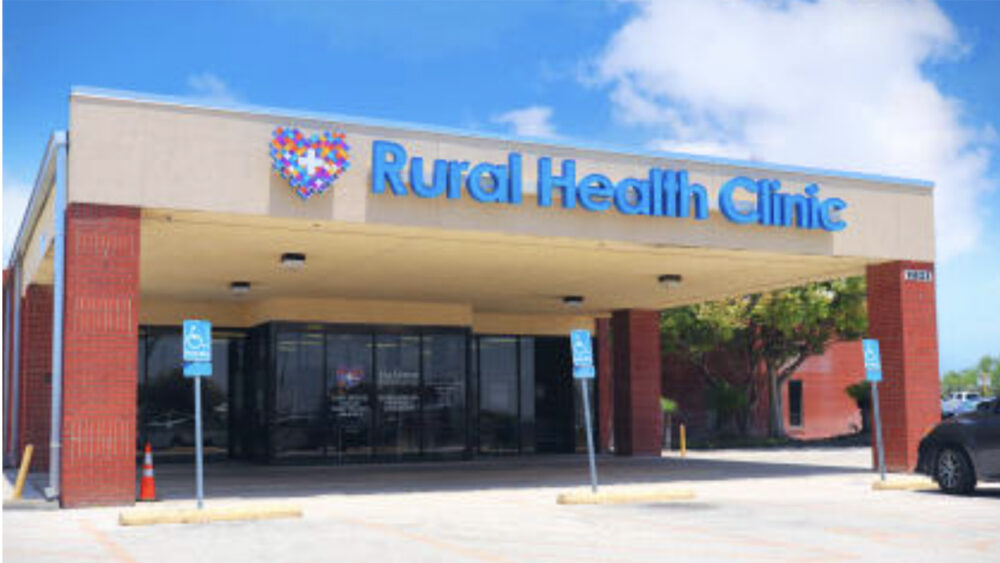
The Trump Administration announced the first round of funding under a new $50 billion Rural Health Transformation Program, directing hundreds of millions of dollars to every state to expand and modernize health care access in rural communities.
According to the Centers for Medicare & Medicaid Services, the program was created under President Donald Trump’s Working Families Tax Cuts legislation and will distribute $10 billion annually from 2026 through 2030. First-year awards average about $200 million per state, with funding amounts ranging from roughly $147 million to $281 million.
CMS said the program is designed to strengthen rural hospitals and clinics, expand access to care, modernize facilities and technology, and support new care delivery models tailored to rural communities. The agency said more than 60 million Americans live in rural areas and often face limited access to health services.
“More than 60 million Americans living in rural areas have the right to equal access to quality care,” said Robert F. Kennedy Jr., the Secretary of Health and Human Services. He said the program would give local hospitals, clinics, and health workers greater control over how care is delivered in their communities.
CMS Administrator Mehmet Oz said the initiative marks a significant shift in federal rural health policy, emphasizing long-term sustainability rather than reimbursement tied solely to patient volume.
Under the program, half of the funding is distributed equally among states, while the remaining half is allocated based on factors such as rural population, existing health system capacity, and the projected impact of each state’s proposed initiatives. States were required to submit detailed rural health transformation plans, which CMS said were evaluated through a merit-based review process.
CMS said states plan to use the funding to expand preventive, primary, maternal, and behavioral health services; strengthen rural emergency care; support workforce recruitment and training; and modernize infrastructure through telehealth, remote monitoring, and upgraded facilities. Some states also plan to test new payment models and regional partnerships aimed at improving care coordination.
Texas is slated to receive the largest first-year award at approximately $281 million, while other states will receive amounts generally near the program’s $200 million average.
CMS said it will provide ongoing oversight and technical assistance as states implement their plans and will require regular progress reporting to ensure accountability and performance. Additional details on the program and state-level awards were released by CMS earlier this week.