A cold case that haunted Dallas investigators for nearly four decades has finally been cracked, thanks to modern DNA technology and the determination of a Dallas Police Department (DPD) homicide detective.
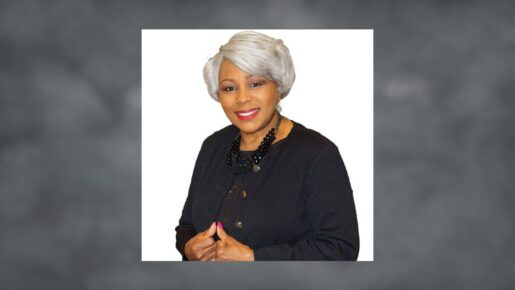
On May 27, 1986, Ruby Battee was murdered and sexually assaulted inside her Dallas home after an unidentified suspect forced his way in, per the DPD. The crime scene produced little useful evidence – only trace DNA recovered from Battee’s clothing – and the technological limitations of the time meant investigators had no path to identifying who that DNA belonged to.
The case went cold, and it remained that way for almost 40 years.
That changed in January 2025, when Dallas homicide detectives took a fresh look at previously untested items from the case, including swabs from the original sexual assault examination and other physical evidence recovered at the scene. Those items were submitted to the University of North Texas Center for Human Identification, a forensic lab with a track record of processing difficult and dormant cases.
The results came back months later. On April 13, 2026, detectives were told that analysts had successfully developed a partial male DNA profile from the evidence, which was then entered into the national Combined DNA Index System – commonly known as CODIS – a federal database that links DNA profiles from crime scenes to those of known offenders across the country.
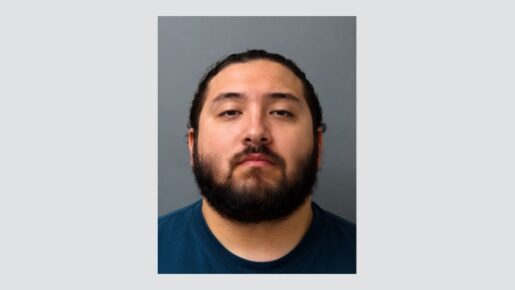
The wait didn’t last long after that DNA profile was produced. Just over three weeks later, on May 5, Dallas Homicide Detective Andrea Isom received a hit: the DNA matched a known offender named Marvin Lee Holloway.
Holloway was no stranger to violent crime. He had been arrested in 1988 for murdering his co-worker, Emily Proctor, and is currently serving time with the Texas Department of Criminal Justice. The CODIS match now placed him directly at the scene of Battee’s murder nearly two years before that separate arrest.
The DPD wasted no time, quickly obtaining a search warrant authorizing a new DNA sample to be taken directly from Holloway. On May 13, Isom and her partner, Detective David Grubbs, drove to Beeville, Texas, where Holloway is being held. There, they collected the DNA sample and conducted a formal interrogation for the Battee case – pressing the murderer on events from nearly four decades prior.
Armed with the new evidence gathered during that visit, Detective Isom secured a murder warrant for Holloway. He is now charged with Capital Murder in connection with the 1986 death of Ruby Battee. Dallas Police Chief Comeaux credited the outcome to the persistence of the department’s investigators.
“The Dallas Police Department houses some of the world’s best detectives,” Chief Comeaux said in a statement. “They are meticulous, patient, and leave no stone unturned when it comes to investigating cold cases – especially ones where hope seems lost.”
The Chief also sent a clear message to anyone who thinks unsolved crimes will remain unsolved: don’t count on it.
“I hope this serves as a reminder to victims as well as criminals who believe they have gotten away with their crimes,” Comeaux added. “Justice will come.”
The case is one of several in recent years where the Dallas Police Department’s homicide unit has successfully used modern forensic tools to revisit evidence that was once considered a dead end, as previously covered by DX. However, Dallas is still estimated to have an enormous backlog of cold cases.
For Ruby Battee’s family, a case that once seemed permanently closed is finally heading to court – nearly four decades after she lost her life.