Waymo has launched a pilot program in Austin to share pothole data collected by its robotaxis with city and state transportation officials through a partnership with the navigation app Waze.
Austin is one of five initial test markets for the effort, which Waymo announced earlier this month. The others are San Francisco, Los Angeles, Phoenix, and Atlanta.
The company will provide data gathered by its vehicles’ perception and physical feedback systems to departments of transportation via the free Waze for Cities platform, alongside reports submitted by drivers.
Waymo said the program gives officials “an additional view of surface street and highway conditions that enables them to more efficiently and effectively fill potholes.” In those cities, Waze users will see the information and can verify potholes identified by Waymo, thereby increasing accuracy.
“Waymo is already making roads safer where we operate. We want to build on the safety benefits of our service by partnering with organizations and city officials to help improve the infrastructure we all depend on,” said Arielle Fleisher, policy development and research manager at Waymo. “Waymo’s mission is to be the world’s most trusted driver; we’re also committed to becoming a trusted partner to the cities we serve.”
Potholes can cause significant vehicle damage and contribute to crashes. Cities often rely on 311 calls from residents and manual inspections, which the company said provide an “incomplete picture” of road conditions. The pilot was developed based on feedback from city officials over several years to help fill reporting gaps.
The program began in the San Francisco Bay Area and the Los Angeles, Phoenix, Austin, and Atlanta metro areas, where Waymo vehicles have already identified approximately 500 potholes. The company plans to expand the partnership to more cities, including those with harsh winter weather and freeze-thaw cycles.
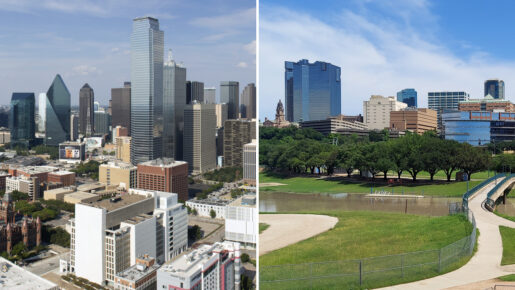
Waymo began operating in Dallas-Fort Worth in February alongside Houston and San Antonio and now serves 10 U.S. metro areas. The DFW area is not part of the initial pothole pilot, and no timeline has been announced for possible expansion.
Co-CEO Tekedra Mawakana said in February that the company expects to provide more than one million rides per week by the end of the year.
“Dallas, Houston, San Antonio, and Orlando are critical to our plans, as we lay groundwork for service in 20+ cities. Each community has its own unique charm and transportation needs, and we’re eager to provide a safe, reliable, and magical way for locals and visitors to travel,” Mawakana said in a news release at the time, CBS News Texas reported.