


In a recent episode of the “Moonshots” podcast, Elon Musk made a bold claim about the future of medicine, stating that his AI-powered robots will revolutionize healthcare.
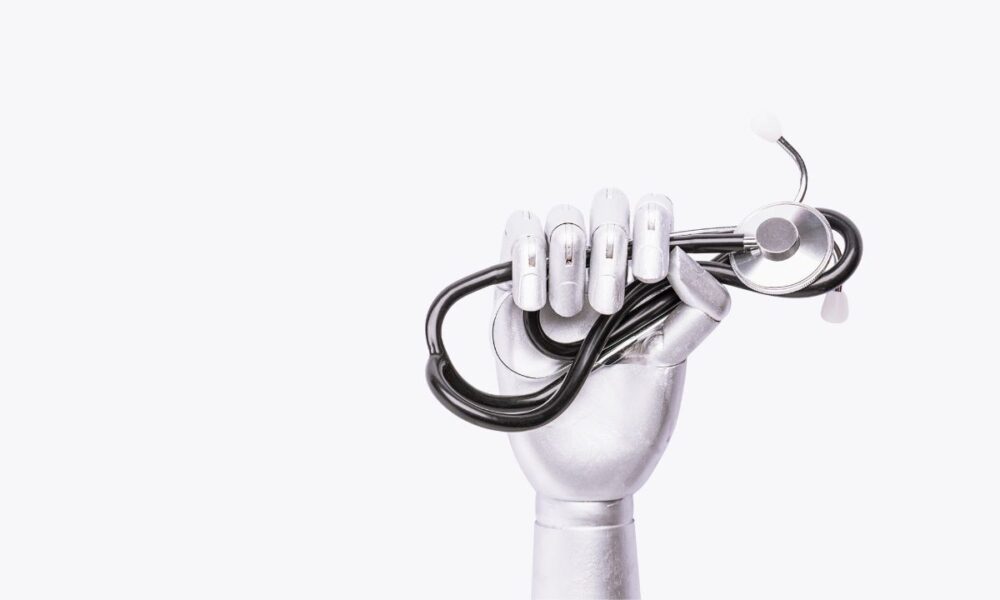
Musk says that within three years, his company’s Optimus “humanoid” robots will surpass the skills of the best human surgeons on Earth.
The statement from the SpaceX, Tesla, and X CEO has sparked an online debate, raising questions about the rapid integration of artificial intelligence into the healthcare industry and its overall value and appropriate place in medicine.
During the same interview, when asked directly about the value of going to medical school in this modern day and age, Musk was also pretty blunt: “Don’t go into medical school… Pointless.”
He added that his Optimus robots would not only match but also exceed human surgical precision within the next three years, with even greater “dominance” in the healthcare industry within four to five years.
The claim is tied to Musk’s confidence in Tesla’s Optimus project, a “general-purpose” humanoid robot designed to perform tasks requiring more dexterity and “intelligence” than most other production-ready robots can in 2026.
Musk envisions these robots performing surgeries with superhuman accuracy, cutting down on malpractice errors, and scaling procedures to meet global demands – even for patients who do not have access to quality doctors around the world.
However, some cautionary red flags may exist for these “bot-docs,” such as regulatory hurdles, a range of ethical concerns, and the need for a massive amount of clinical trials, which could all extend timelines beyond Musk’s estimate of three years.
While Musk’s prediction looks to the future, AI is already making a big impact in the medical field.
Here are some notable examples of how AI is already being used in healthcare today:
- Diagnostic Imaging and Radiology: AI algorithms are already revolutionizing how medical specialists analyze medical images. For example, tools like Aidoc and Viz.ai use AI to detect abnormalities in CT scans and MRIs, helping identify issues like strokes or fractures faster than human radiologists, according to data from the National Library of Medicine. As of 2026, these systems are already integrated into hospitals worldwide.
- Drug Discovery and Development: Companies like Recursion Pharmaceuticals and Insilico Medicine have already begun using AI to accelerate the design of new drugs, allegedly slashing development timelines and drug costs.
- Patient Management/Chatbot use: AI-powered chatbots and virtual assistants, such as those built on platforms like ChatGPT, can assist with symptom assessment, appointment summaries, and personalized health advice for those without access to a doctor.
- Pathology and Genomics: AI already excels at analyzing pathology slides and “genomic” data, delivering unmatched accuracy in detecting cancers and other diseases. PathAI, for example, aims to improve diagnostic accuracy.
In Dallas, places like UT Southwestern Medical Center are already exploring AI integrations for clinical trials and other personalized medical treatments.
Musk’s estimates about AI surgeons may seem audacious, but with AI’s current momentum, it’s a reminder of how quickly technology can reshape the medical industry. Whether Optimus bots become the “surgeons of tomorrow” remains to be seen, but one thing is clear: AI medicine is no longer science fiction – it’s already saving lives today.