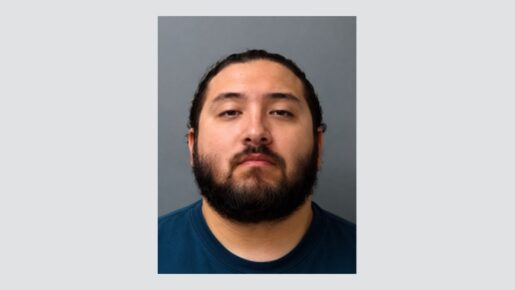
A Chinese national was sentenced to nearly four years in federal prison Tuesday for laundering millions stolen from American investors through fake cryptocurrency platforms operated from Cambodian scam centers.
Jingliang Su received 46 months behind bars and must pay $26.8 million in restitution after admitting his role in the $36.9 million scheme that victimized 174 Americans.
Scammers contacted victims through unsolicited messages and calls, eventually convincing them to invest through fake websites mimicking legitimate crypto trading platforms.
Once victims transferred funds, the criminals displayed fake gains while actually stealing the money.
“This defendant and his co-conspirators scammed 174 Americans out of their hard-earned money,” said Assistant Attorney General A. Tysen Duva. “In the digital age, criminals have found new ways to weaponize the internet for fraud.”
Court documents reveal a sophisticated money-laundering operation. Victim funds flowed through U.S. shell companies to a Bahamas bank account, where Su converted $36.9 million to Tether stablecoin.
The digital currency then moved to wallets controlled from Cambodia. From there, it funded scam centers across Southeast Asia.
Eight co-conspirators have pleaded guilty in the case. Jose Somarriba received 36 months, while ShengSheng He received 51 months for operating unlicensed money-transmitting businesses.
“New investment opportunities may sound intriguing, but they have a dark side: attracting criminals who, in this case, stole then laundered tens of millions of dollars from their victims,” said First Assistant U.S. Attorney Bill Essayli.
The investigation involved multiple federal agencies, including the Secret Service and Homeland Security. International partners in the Dominican Republic also assisted.
The Justice Department’s Criminal Division has convicted over 180 cybercriminals since 2020. Courts have ordered the return of more than $350 million to victims during that period.
Authorities urge potential victims to report suspected crypto investment fraud to IC3.gov.