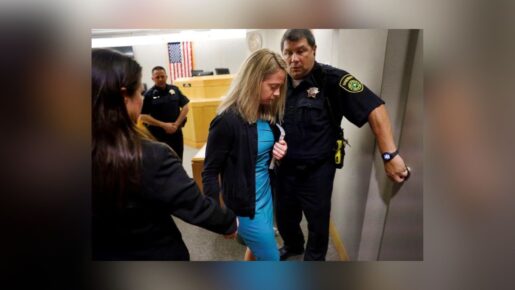


When data suggested a link between homelessness, crime, and Dallas Area Rapid Transit (DART), Dallas Councilman Adam Bazaldua began sparring with Councilwoman Cara Mendelsohn.
Mendelsohn, who has repeatedly pressed DART and regional transit leaders for transparent crime data in prior Regional Transportation Council meetings, questioned the implications of the new maps. Guinn’s maps showed repeated geographic overlap among major homeless encampments, DART routes, and clusters of reported crime.
Homeless encampments and high concentrations of crime often appear around DART bus lines, according to data from Southern Methodist University Professor of IT and Data Analytics Allen Guinn. He presented his findings to the Dallas City Council’s Housing and Homelessness Solutions Committee on December 9, prompting disagreement from Bazaldua.
“I just prefer data to be presented with less subjective language,” Bazaldua said after the presentation. “It seems like you had a lot of theory behind what your data points to, instead of that being our role to figure out.”
Mendelsohn, chair of the committee, challenged Bazaldua.
“This presentation is from the professor. We’re not going to do this today,” she said. “Your time has ended.”
Bazaldua eventually walked out of the meeting early, leaving the chamber and breaking quorum, halting the discussion before remaining members could continue reviewing the data.
Amid frustrations over DART’s crime, governance, and funding, four cities – Farmers Branch, Highland Park, Irving, and Plano – voted in November to hold withdrawal elections on May 2, 2026, as The Dallas Express reported. The Addison City Council turned down a motion on December 2 to hold an election.
The scrutiny comes as Mendelsohn and other regional officials have repeatedly raised concerns about gaps in DART’s publicly available crime reporting.
The Data
During the meeting, Guinn presented maps of Dallas – overlaying homeless encampments with deaths, DART stations and routes, and crime. He emphasized that the maps did not establish causation but illustrated consistent geographic overlap.
The mapping mirrored concerns Mendelsohn raised at the RTC, when she urged North Texas transit agencies to provide NIBRS-formatted crime data for public review.
“We’re interested in how DART affects the City of Dallas or any of the other cities,” he said. “As that turns out, that’s best captured again in the Dallas Police Department data.”
Guinn overlaid a map of major homeless encampments reported to 311 with maps of accidental or natural deaths, DART stations and bus routes, and crimes like robbery, assault, and drug manufacturing and delivery. These each fell in the general vicinity of one another. The overlays repeatedly showed these categories appearing in the same general areas.
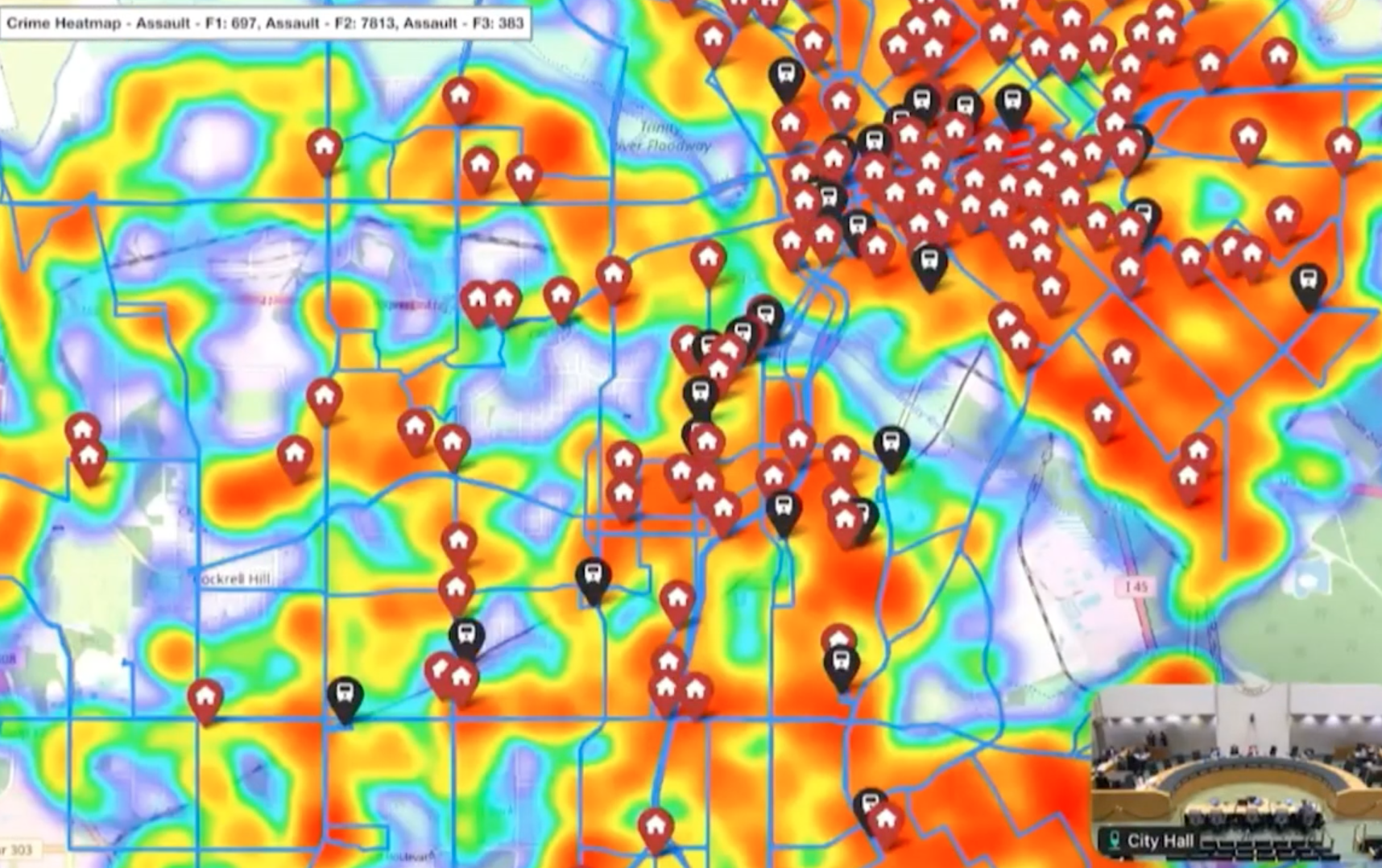
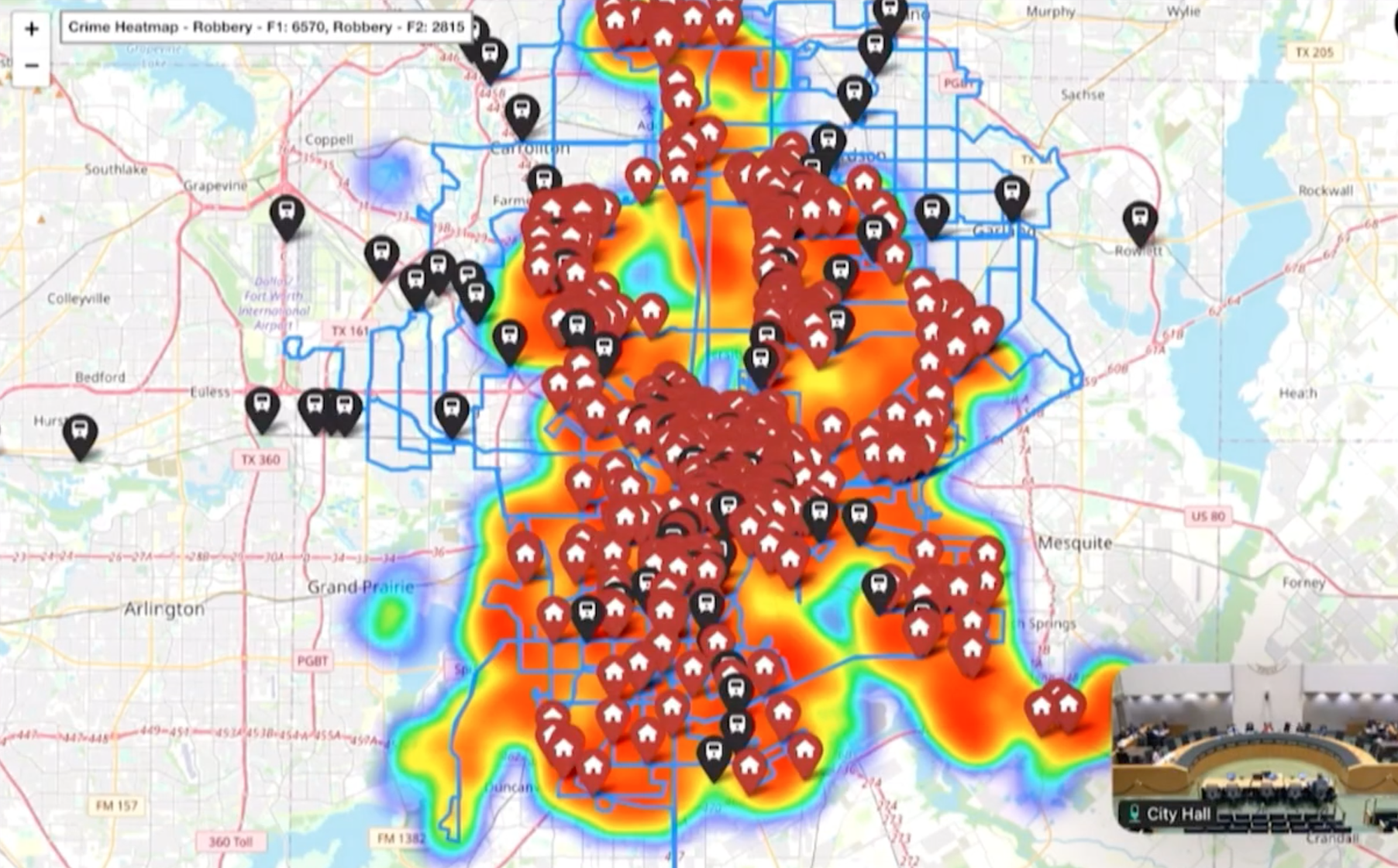
“I’m not finding any category of anyone who benefits from homelessness or crime,” Guinn said. “You would think that would be an easy thing for us all to agree on, and come up with a solution. The trends that are there, even as defective as the data is, would indicate that we’re not effectively addressing this.”
Serious crimes, or Group A offenses, reported by DART Police have grown 10.69% this year, according to the most recent National Incident-Based Reporting System (NIBRS) data presented to the committee.
Mendelsohn previously led a unanimous RTC vote requesting these same NIBRS statistics directly from transit agencies after questioning why DART had not published updated reports since 2022.
Within these offenses, crimes against persons fell by 17.27%, and crimes against property fell by 24.39%. Meanwhile, crimes against society increased by 63.92%. The most common of these were drug paraphernalia, drug, and weapons violations.
The Debate
Mendelsohn thanked Guinn for the presentation.
“This is, frankly, beyond what we had talked about. Very enlightening,” she said. “All of the DART part, I’m going to tell you I didn’t know you were going to talk about – but fascinating.”
She pointed to the connection between homeless encampments and nonviolent deaths. Her remarks echoed her prior RTC concerns that unchecked encampments and incomplete crime reporting place vulnerable residents and riders at risk.
“I’m a big advocate of removing encampments against peoples’ will, because it’s not safe for them. It’s not good for our community,” Mendelsohn said. “To me, your data is showing one of the possibilities that happens – which is that people are dying.”
Bazaldua asked Guinn if he had spoken with the nonprofit Housing Forward, the lead agency for coordinating the homelessness response in the Dallas area. Guinn said he had not.
Bazaldua continued that he would like to hear the nonprofit’s perspective on the data, “in my opinion, that is being presented in a very subjective way.”
“Have you consulted with DART at all?” he said. “I’m curious why DART wouldn’t have had an opportunity to be here to discuss these theories as well.”
Mendelsohn interjected, saying this was Guinn’s presentation. The chair reaffirmed standard procedure, reminding members that presenters deliver independent analysis before the committee requests outside input.
“Excuse me, I have the ability to yield my time to ask from a stakeholder that is in the audience,” Bazaldua said.
“Your time has now ended,” Mendelsohn said.
“My time has now ended?” he asked.
“That’s right, your time has ended,” she replied.
Bazaldua challenged Mendelsohn’s ruling, and got a second vote. The procedural dispute stalled the meeting.
Guinn interjected – “Can I ask what he means by subjective?”
Bazaldua cited Robert’s Rules of Order, saying his challenge should go for a vote. Mendelsohn said she would not call a vote, and asked if this was required.
“I think what you’re seeing is some inappropriate behavior,” Mendelsohn said to Guinn. “We appreciate your presentation.”
Mendelsohn said she could connect Guinn with others who still had questions, and called to end the presentation.
“I’m sorry I’m ending the briefing because I think there’s some unprofessional behavior happening,” she said.
Bazaldua got up and left the room, breaking quorum. The departure prevented the committee from completing the briefing. Mendelsohn called for a recess until the committee could reconvene.