Dallas City Council plans to consider Wednesday whether to make additional property-tax flexibility and automated traffic enforcement formal City Hall priorities in Austin, placing two forms of local government authority at the center of the city’s 2027 legislative agenda.
The council meets at 9 a.m. October 14.
Separate agenda items would adopt Dallas’ program for the 90th Texas Legislature and its program for the 120th Congress.
The city’s October 1 legislative presentation lists 62 priorities. Among the most consequential, Dallas wants state lawmakers to support voter-approved municipal flexibility beyond what the city document calls the current 3.5% property-tax revenue cap, authorize automated traffic enforcement technologies and oppose additional state restrictions on municipal revenue authority.
Dallas Seeks More Tax Flexibility
The tax proposal would not itself raise Dallas’ property-tax rate. City Council would instead make broader local taxing flexibility an official lobbying position for the 2027 legislative session, and the Dallas proposal expressly ties that flexibility to voter approval.
Texas’ current system already allows voters to decide on a tax rate above the voter-approval rate in most cases after a local governing body adopts the higher rate. The Texas Comptroller explains that the voter-approval calculation generally gives cities about the prior year’s maintenance-and-operations property-tax revenue plus 3.5% for operations, unused increment revenue when applicable and debt service.
Dallas’ legislative presentation does not explain how the additional flexibility it wants would differ from the voter-approval process already available under state law.
The Dallas Express previously covered the council’s September adoption of an approximately $5.7 billion fiscal 2027 budget and a property-tax rate of 69.78 cents per $100 of assessed value.
City Wants Automated Enforcement Authority
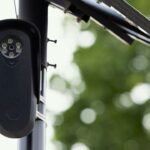
The transportation agenda asks the Legislature to authorize automated traffic enforcement technologies for roadway safety, but the city does not identify what system it wants lawmakers to legalize.
Texas law bars municipalities from operating automated systems to enforce posted speed limits. State law also prohibits local photographic traffic-signal enforcement systems.
The Dallas document does not say whether the city wants speed cameras, red-light cameras or another form of automated enforcement. Any system covered by the existing prohibitions would require lawmakers to change state law.
Casino, DART And Immigration Positions
The proposed agenda also directs Dallas to oppose legislation expanding casino gaming and to oppose additional state limits on municipal tax rates, assessed values or other local revenue authority.
Transportation priorities include removing city responsibility for school crossing guards and supporting legislation tied to a new DART governance model and regional transit agreements.
The Dallas Express previously covered Dallas’ February vote to reduce its DART board voting share to 45% as member cities negotiated governance changes amid withdrawal threats.
The federal program would also preserve local discretion over participation in federal immigration-enforcement activities. The proposal does not create a new Dallas immigration policy; it would establish local discretion as a federal position the city wants to defend.
A Lobbying Agenda, Not New Law
The council’s state agenda item states that Dallas adopts a legislative program every two years to set official positions before a Texas legislative session. The October 14 item carries no direct city cost.
If the council approves the programs, none of the listed priorities would automatically become law. State lawmakers or Congress would still have to act, and some proposals would require additional Dallas action or voter approval.